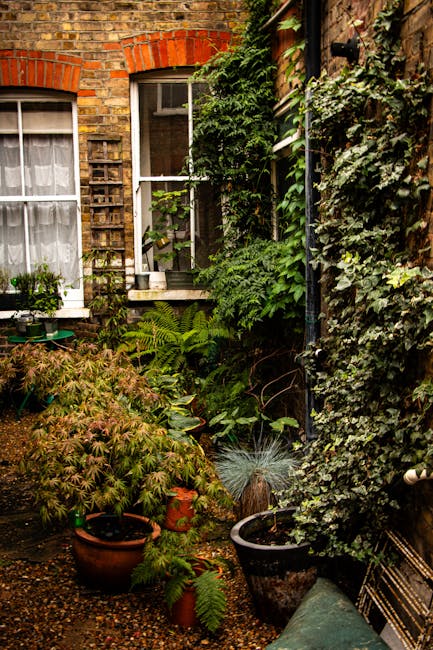
Common problems when gardeners access narrow Tufnell Park mews
Narrow mews streets can look charming from the pavement, but they are not always straightforward for garden work. In Tufnell Park, access can be tight, parking can be awkward, and the space between the van and the back gate may be shorter than you expect. That is where common problems when gardeners access narrow Tufnell Park mews start to show up: blocked entry, limited loading space, noise complaints, fragile surfaces, and gardens that are harder to reach than they first appear.
If you are trying to plan a visit, this guide walks through the real issues gardeners run into, why they matter, and what usually helps. It also covers sensible preparation, practical safeguards, and the small details that make a big difference on the day. Truth be told, in a mews setting, a well-run visit is often about logistics as much as horticulture.
Table of Contents
- Why these access problems matter
- How narrow mews access typically works
- Key benefits of planning access properly
- Who this is for
- Step-by-step guidance
- Expert tips for smoother visits
- Common mistakes to avoid
- Tools, resources and recommendations
- Law, compliance and best practice
- Options and comparison
- Real-world example
- Practical checklist
- Conclusion
- Frequently asked questions
Why Common problems when gardeners access narrow Tufnell Park mews Matters
Access problems are not just an inconvenience. They can change the whole shape of a job. If a gardener cannot park safely, unload tools cleanly, or move freely between the van and the work area, the visit takes longer and becomes less efficient. Sometimes the work itself is still simple; it is the approach to the garden that causes the headache.
In narrow mews streets, a few inches matter. A hedge trimmer case, a wheelbarrow, or even a bag of soil can become awkward if the route is cluttered with bins, bikes, delivery crates, or low overhanging branches. That is before you get to the usual London realities: neighbours close by, limited turning space, and the constant dance of vehicles trying to pass each other. Let's face it, no one enjoys reversing a van two streets back because a delivery truck has pinched the only gap.
From a client point of view, these access issues matter because they affect timing, cost, and the quality of the finish. A poor access plan can lead to rushed work, missed debris, or avoidable damage to paving and planting. A better plan usually means calmer work, tidier results, and fewer awkward moments at the gate.
For households, landlords, and small businesses, access also shapes how often work can realistically be done. Routine services such as garden maintenance or lawn mowing are much easier to keep on schedule when the route in and out is predictable. If access is not predictable, the whole rhythm of upkeep can wobble a bit.
How Common problems when gardeners access narrow Tufnell Park mews Works
The working pattern is usually simple on paper. A gardener arrives, parks as close as safely possible, carries equipment to the garden, completes the work, clears waste, and leaves the site tidy. In a narrow mews, though, each of those steps can be interrupted by the street layout.
The first issue is often arrival and stopping space. If the van cannot pause near the entrance, tools must be moved by hand over a longer distance. That sounds minor, but it quickly adds fatigue and time. The second issue is gate and passage width. Some mews have slim side accesses, awkward corners, or uneven steps, so larger items such as mowers, ladders, or clearance sacks need a more careful route.
The third issue is surface protection. Narrow routes often include paving slabs, decorative gravel, shared driveways, or older brickwork. These surfaces can be scratched, stained, or chipped if heavy equipment is dragged rather than lifted. That is why a good team thinks about mats, lifting technique, and how many trips are needed before setting foot through the gate.
Another practical layer is neighbour relations. In mews properties, sound carries. A leaf blower, chipper, or strimmer can feel much louder than it would in a bigger, more open garden. So the timing of the visit, the order of tasks, and the amount of time spent on the frontage all matter. Small adjustment, big difference.
Sometimes the access problem is not physical at all. It is information. If the gardener is not told about locked side gates, low fences, shared access agreements, or a resident's parked car, the day begins with delay and a bit of guesswork. Good planning prevents that. A short conversation before arrival often saves half an hour on site.
Key Benefits and Practical Advantages
It may sound odd to talk about benefits in a section about access problems, but there are real gains when mews access is handled well. Better access planning means the work is safer, cleaner, and usually cheaper to deliver in practice, even if the upfront effort is a little more involved.
- Less damage risk: Careful movement reduces the chance of scuffed walls, broken edging, crushed plants, and damaged gates.
- Faster completion: When parking, entry, and unloading are sorted in advance, the crew can get straight on with the job.
- Better neighbour experience: Fewer awkward delays and less noise at the frontage helps keep things civil.
- Cleaner finish: Easy access makes it simpler to remove waste properly and sweep up thoroughly.
- More realistic scheduling: The team can judge what fits into a visit instead of making optimistic assumptions.
There is also a quieter benefit: confidence. Once a property owner knows the access route is understood, the whole job feels less stressful. You are not wondering whether the mower will fit, or whether the hedge cuttings will need to be carried out in ten small trips. You can simply get on with it.
For larger jobs, like clearance or redesign work, these gains become even more obvious. Services such as garden clearance or landscaping can produce a lot of waste, material movement, and back-and-forth traffic. A narrow mews does not prevent the work, not at all, but it does reward good organisation.
Who This Is For and When It Makes Sense
This topic is relevant for more people than you might think. Homeowners with rear-garden access through a mews, landlords managing rentals, small business premises with courtyard planting, and even residents' associations all face similar issues. If you are planning any kind of outdoor work that involves equipment, waste removal, or repeated visits, access needs to be part of the conversation.
It especially makes sense to think ahead when:
- the property sits on a lane, mews, or shared service road
- parking is limited or controlled
- the access route is through a side passage or alley
- the garden includes large shrubs, mature trees, or a significant build-up of waste
- the work involves regular repeat visits, not just a one-off tidy-up
If you are simply booking a quick trim, you may not need an elaborate plan. But if the job involves hedge work, turf maintenance, or heavy pruning, a little access detail goes a long way. For example, hedge trimming is manageable in most settings, yet it becomes much easier when the team can park nearby and move ladders and clippings without fuss.
It also matters for customers who care about a neat, low-disruption service. Some people are happy for a job to take a little longer if it is done carefully. Others need the work squeezed between school runs, deliveries, or office hours. Narrow mews access puts pressure on all of that, so being honest early helps everyone.
Step-by-Step Guidance
Here is a practical way to approach a narrow-access garden visit without overcomplicating it.
- Map the route from van to garden. Look at the full path, not just the front gate. Note bends, steps, locks, and anything that narrows the passage.
- Check parking options first. If the vehicle cannot sit nearby, work out the next best legal stopping point and how tools will be moved.
- Measure the tight spots. Gate widths, alley gaps, and side returns matter. Even a small measurement can prevent a lot of guesswork.
- Identify fragile surfaces. Gravel, old bricks, decking, and ornamental paving may need protection or a gentler route.
- Remove movable obstacles. Bins, bikes, hoses, planters, and garden furniture can usually be shifted before the crew arrives.
- Decide what equipment is actually needed. A compact mower or battery tool may be better than a heavier machine if the access is tricky.
- Plan waste handling. If there is a lot of cut material, ask how it will be bagged, carried, and loaded out without blocking the mews.
- Build in a little slack. Tight access nearly always takes longer than open access. Better to allow breathing room than rush.
- Confirm the final details before arrival. One short message about gate codes, parking, or a shared entrance can save everyone a headache.
That is the basic framework. Simple, really. The trick is not to assume that "garden work" starts once the tools are out. In a mews, the job begins the moment the van turns into the street.
Expert Tips for Better Results
A few habits consistently make narrow access jobs smoother. They are not flashy, but they work.
- Use lighter, modular equipment where possible. Smaller tools are often easier to carry, easier to turn, and less likely to cause accidental scuffs.
- Stage tools near the entrance. If safe to do so, keep the route uncluttered and make fewer trips.
- Protect the threshold. Mats or boards can help reduce wear where foot traffic is heaviest.
- Choose the quietest workable approach. Battery tools and hand tools are not always the answer, but they can reduce disturbance in very tight streets.
- Communicate with neighbours when needed. A quick heads-up about hedge cutting or waste removal can prevent unnecessary tension.
- Split the work into phases. For bigger gardens, the clean-up, pruning, and waste removal stages may work better as separate blocks.
One small, often missed point: consider the weather. A damp morning can make a narrow passage slippery and awkward, especially if cuttings or soil spill onto paving. By afternoon, the same route might be much safer. Timing matters more than people expect, and yes, that includes the oddly British habit of checking whether the rain is about to start five minutes after you arrive.
If the garden needs more than simple maintenance, it can help to discuss the broader project as well. A visit involving landscape gardening or a new layout around the access route may need different planning from an ordinary tidy-up. Sometimes the best fix is not brute force. It is smarter sequencing.
Common Mistakes to Avoid
The most common mistake is underestimating the space. A path that looks fine at a glance may be too narrow once a mower, trug, or waste bag is actually in hand. That is how delays begin.
Other mistakes include:
- Not mentioning shared access until the team is already on site
- Assuming parking will "just work" because it usually does on quieter days
- Leaving bins, bikes, or toys in the access route and hoping they can be moved later
- Booking heavy-duty work without warning about the access pinch points
- Ignoring waste volume and forgetting that clippings and branches still need to leave the site
- Choosing the wrong time of day for a noisy or busy visit
There is another mistake that crops up a lot: thinking all garden tasks are equally suitable for the same access route. They are not. A quick mow may be fine, while a major clearance job may be much more demanding. If you are unsure, ask for a realistic assessment before the day, not during it when everyone is already standing in the alley trying to squeeze past each other.
Tools, Resources and Recommendations
You do not need a warehouse full of special gear, but a narrow mews often rewards a smaller and better-thought-out kit. Commonly useful items include hand tools, compact cordless equipment, foldable bags, tarps for containing debris, and lightweight wheelbarrows or carriers if the route allows them.
For garden owners, the most helpful resources are practical ones:
- a simple site note with gate access details
- an agreed parking plan
- a quick list of fragile areas or low walls
- the location of shared entrances or coded gates
- any special instructions for waste disposal or recycling
If the visit is part of ongoing upkeep, the service relationship matters too. A regular arrangement through garden maintenance can help the gardener learn the property's quirks over time, which usually makes subsequent visits calmer and quicker. Familiarity is underrated. Very underrated.
When choosing a provider, it also helps to look at how they describe their working standards and practical approach. A clear services overview can tell you a lot about whether the team is used to varied access conditions, while insurance and safety information gives reassurance that they take risk seriously. That is not just admin. It is part of the job.
Law, Compliance, Standards, or Best Practice
For garden work in tight residential streets, the most relevant point is usually not some exotic regulation; it is basic duty of care. A professional should work in a way that avoids unnecessary damage, keeps people safe, and respects neighbours and shared spaces.
In practical terms, that means:
- safe lifting and carrying of tools and waste
- careful use of equipment in confined areas
- attention to slip, trip, and pinch hazards
- reasonable protection for surfaces and boundaries
- respect for access agreements and property rules
UK health and safety expectations generally point towards a sensible, proportionate approach. You do not need theatrical precautions for a simple hedge cut, but you do need clear planning where access is cramped or where manual handling is repeated. If a task feels awkward or risky, it probably deserves a better method.
Noise and waste handling also need common sense. In a narrow mews, over-loud equipment at the wrong time can create avoidable friction. Waste should be handled tidily and lawfully, with an eye on recycling where feasible. If sustainability matters to you, it is worth asking how green waste is managed and whether reusable or recyclable materials are separated properly. The page on recycling and sustainability is a useful reference point for that kind of discussion.
For customers who value transparency around process and responsibilities, it can also be sensible to review the site's health and safety policy and terms and conditions. Not glamorous reading, admittedly, but it does help set expectations before work begins.
Options, Methods, or Comparison Table
When access is awkward, there are usually a few ways to get the job done. The right choice depends on the type of work, how much waste is involved, and how sensitive the site is.
| Method | Best for | Pros | Limitations |
|---|---|---|---|
| Hand-carrying tools and waste | Light maintenance, small gardens | Quiet, flexible, low setup | Slower for larger jobs |
| Compact battery equipment | Routine upkeep, narrow passages | Lighter, quieter, easier to manoeuvre | May not suit heavy clearance work |
| Phased visits | Bigger gardens or mixed tasks | Reduces congestion, better organisation | Needs more scheduling |
| Full-access planning with staged loading | Clearing, pruning, landscaping | Efficient for complex jobs | Requires careful coordination |
In practice, phased visits are often the easiest win for a narrow Tufnell Park mews. You do one part, clear the path, then move on. It keeps the working area from becoming a jumble of bags, clippings, and half-finished tasks. A bit old-fashioned maybe, but effective.
Case Study or Real-World Example
Imagine a small rear garden reached through a narrow mews passage behind a terrace house. The frontage is tidy, but the access route includes a tight turn, two bins, and a parked bicycle that never seems to move. The job looks like a standard tidy-up at first glance: light pruning, lawn cutting, and some waste removal.
On arrival, the gardener realises the mower will not comfortably pass the bend if it is carried upright. Rather than forcing it, the work is split into stages. Tools are staged closer to the gate, the bicycle is moved with permission, and the lawn is cut with a lighter machine. Clippings are bagged in smaller loads, and the final sweep of the passage is done before any other equipment is brought back through.
The result? Less stress, fewer trips, and no scratched paving. The job still took longer than a wide-open garden would have, but not dramatically so. More importantly, nobody had to wrestle a wheelbarrow past a wall corner and hope for the best. You can probably picture the scene: two people trying to pass each other with bags of hedge trimmings, one apologising, the other pretending not to be in the way. Classic mews moment.
This is why so many access problems are really planning problems in disguise. Once the route is understood, the work becomes much easier to manage.
Practical Checklist
Use this checklist before a visit to a narrow mews property:
- Confirm the exact entrance and any gate codes or locks
- Check where the vehicle can legally stop
- Measure tight passages, corners, and side returns if needed
- Move bins, bikes, toys, or loose furniture out of the route
- Flag fragile paving, gravel, decking, or recently repaired surfaces
- Tell the gardener about shared access or neighbour-sensitive timings
- List any bulky tasks, such as branch removal or major clearance
- Ask whether quieter or lighter equipment would help
- Agree how waste will be carried out and where it will be loaded
- Allow a little extra time for setup and clean-down
If the job is more than a light tidy-up, it may also be worth reviewing the provider's approach to pricing and quotes so everyone understands how access difficulty could affect the estimate. Transparency helps. Always has.
Expert summary: In narrow Tufnell Park mews streets, success is usually less about force and more about sequencing, communication, and choosing the right equipment for the route. If the access is thought through early, the rest of the work tends to go smoothly.
Get a free quote today and see how much you can save.
Conclusion
Common problems when gardeners access narrow Tufnell Park mews are rarely mysterious. They usually come down to a handful of practical issues: tight parking, awkward turns, limited carrying space, fragile surfaces, neighbour sensitivity, and waste that has to be moved carefully. None of that stops good garden work. It just means the work needs a better plan.
If you prepare the route, keep communication simple, and choose methods that suit the space, a narrow mews can be managed neatly and professionally. In the end, the best visits are the ones that feel uneventful in the nicest possible way. No drama, no dings, no scrambling for space. Just a tidy garden and a calmer day.
And honestly, that is what most people want: a job done well, with the least fuss possible.
Frequently Asked Questions
Why are narrow Tufnell Park mews properties harder for gardeners to work in?
Because access is often tighter than it looks. Parking, unloading, carrying tools, and removing waste all take more care when the route is narrow, shared, or curved.
What is the most common access problem on a mews street?
Parking and unloading are usually the biggest early obstacles. If the van cannot stop nearby, everything else takes longer from the first minute.
Can gardeners still do regular maintenance in a narrow mews?
Yes, absolutely. Routine tasks such as mowing, pruning, and light tidying are usually manageable once the access route is understood and kept clear.
Do narrow access issues increase the cost of garden work?
They can, depending on the job. More time, extra labour, and slower waste handling may affect the quote, especially for larger or more complex jobs.
Should I measure the gate or passage before booking?
If the access looks tight, yes. Even rough measurements help the gardener decide whether a tool, mower, or waste bag will fit comfortably.
What should I remove before the gardener arrives?
Bins, bicycles, loose furniture, toys, and hoses are good candidates. Anything that narrows the route should be moved if possible.
Is it better to book a quieter type of equipment?
Often, yes. Battery tools or lighter equipment can be easier to use in narrow mews settings, though the right choice depends on the scale of the job.
What if neighbours are sensitive to noise?
Then timing matters. A slightly later or earlier slot, plus quieter methods where possible, can help keep the visit low-disruption.
How do gardeners usually handle garden waste in a tight passage?
Waste is often bagged in smaller loads and carried out in stages. For larger jobs, the team may need a more structured loading and clearing plan.
Can access problems affect the quality of the finish?
They can if the job is rushed. When access is planned well, the finish is usually just as good as in an open garden, sometimes better because the team has prepared more carefully.
What details should I tell a gardener before the visit?
Tell them about parking, gate codes, shared entrances, fragile surfaces, neighbour concerns, and any bulky waste or awkward corners. The more accurate the picture, the better.
Where can I find more information about the company's working standards?
Useful pages include the about us page, the health and safety policy, and the insurance and safety information.
If you want a smooth result in a narrow mews, start with the route, not the rake. Small details first, and the rest tends to fall into place.