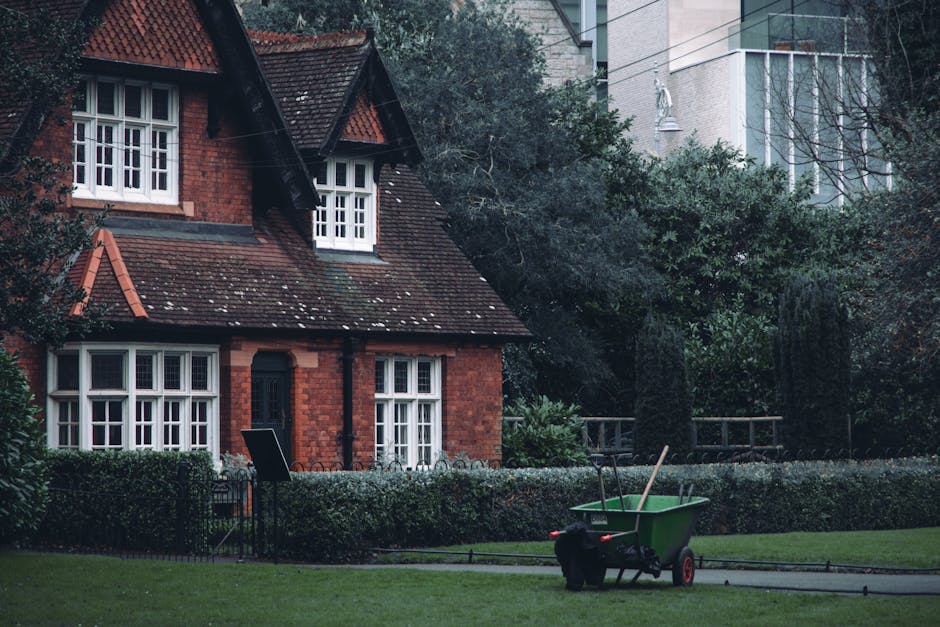
Gardening services near Fortess Road Tufnell Park: a practical local guide
If your front garden is starting to look a bit tired, your back garden has become a jungle after a wet spell, or you simply want a cleaner, greener outdoor space that feels easy to live with, gardening services near Fortess Road Tufnell Park can make a real difference. In a busy London neighbourhood, gardens often need regular attention, not occasional rescue missions. This guide explains what local gardening support typically includes, how it works, what to expect, and how to choose services that suit your space, your schedule, and your budget.
Whether you need simple lawn care, hedge trimming, garden clearance, or something more involved like landscape gardening, the aim is the same: a garden that looks cared for without becoming another job on your weekend list. Let's be fair, that's the dream.
Why Gardening services near Fortess Road Tufnell Park matters
Gardens around Fortess Road and the wider Tufnell Park area often have a mix of compact spaces, mature planting, boundary hedges, paved areas, and awkward corners that collect leaves, weeds, and general clutter. That's normal. It also means the garden can shift from charming to chaotic quickly, especially after a few damp weeks or a burst of spring growth.
Professional gardening services near Fortess Road Tufnell Park matter because they bring consistency. A lawn does not wait politely until you have free time. Hedges carry on growing. Weeds do not care about your diary. And when maintenance slips, even a nice garden can start to feel neglected rather than restful.
There's also a practical side. Regular upkeep protects surfaces, keeps access clear, reduces trip hazards, and helps plants stay healthy. In small urban gardens, a little structure goes a long way. Without it, you end up with overcrowding, poor light, and patches that never quite recover.
For many households, local help is not about luxury. It's about keeping on top of things before they become more expensive or time-consuming to put right. A seasonal tidy-up is one thing. Clearing two years' worth of growth is another altogether.
If you want a clearer view of the wider service range, it may help to look at the site's services overview and about the team pages first. Those pages are useful if you're comparing providers and want to understand how the work is approached.
How Gardening services near Fortess Road Tufnell Park works
At a practical level, local gardening support usually begins with a look at the space itself. Is it a one-off clearance, a recurring maintenance visit, or a mixed project that includes both tidying and improvements? The type of work matters, because a compact courtyard needs a different approach from a longer terraced garden with hedges, borders, and patchy grass.
Most jobs follow a fairly simple pattern:
- Initial enquiry and discussion of the garden's condition.
- Assessment of what needs doing now versus what can wait.
- Agreement on the service scope, timing, and quote.
- Work carried out with the appropriate tools and waste handling.
- Final tidy-up so the garden is left usable, not just "technically finished".
That last point matters more than people think. A good gardener doesn't just cut, trim, and leave. They finish by checking edges, clearing debris, and making sure the site feels properly cared for. You notice the difference straight away.
Services can be one-off or recurring. One-off work is useful after a long gap, moving house, or post-tenancy reset. Ongoing care is better if you want the garden to stay manageable through the year. If you already know you'll need regular upkeep, garden maintenance is usually the most efficient starting point.
Some jobs need specialist handling. For example, overgrown hedges can require more careful shaping than a simple trim, while awkward trees or damaged branches should be assessed cautiously. In those cases, a provider may recommend hedge trimming, tree lopping and removal, or a broader landscaping solution rather than just a quick tidy.
Key benefits and practical advantages
The biggest benefit is simple: a garden that is easier to live with. But there's a bit more to it than that. Good gardening services near Fortess Road Tufnell Park can improve both the look and the day-to-day use of outdoor space.
- Better first impressions: Neat borders, trimmed hedges, and a mown lawn make the whole property feel looked after.
- Less stress: You're not constantly thinking, "I really need to get on top of that this weekend."
- Healthier growth: Regular care can help plants, lawns, and shrubs stay in better shape over time.
- Safer access: Clear paths, reduced overgrowth, and managed waste lower the risk of trips or blocked routes.
- More usable space: When the garden is organised, you actually want to sit out there. Strange how that works.
- Better long-term value: Routine upkeep often prevents larger problems that cost more to sort later.
There's a seasonal rhythm too. In spring and summer, growth can surge. In autumn, leaves build quickly and beds can become messy almost overnight. Winter is often the time for structural work, clearance, and planning. A local gardener who understands that rhythm can keep the space moving through the year instead of reacting too late.
For people who are renting, preparing a property for sale, or managing a shared outdoor area, the practical value is even clearer. A tidy garden can change how a home feels in a matter of hours. Not magic, exactly, but close enough.
Who this is for and when it makes sense
Gardening services near Fortess Road Tufnell Park are a good fit for quite a few situations, and not just for people who "aren't into gardening". Truth be told, even people who enjoy gardening sometimes need help with the heavy lifting or the jobs that keep piling up.
This service makes sense if you are:
- a homeowner trying to keep a small urban garden under control
- a landlord or letting agent needing a presentable outdoor space between tenancies
- a busy professional who wants the garden to stay neat without giving up weekends
- an older resident who prefers not to do the physical work yourself
- someone planning a bigger improvement and needing the site cleared first
- a family that uses the garden regularly and needs it safe and functional
It also makes sense when the job is bigger than it first looks. A small amount of leaf fall can be swept away. But if the whole area is compacted, weedy, and difficult to access, it may be quicker and better to book a proper garden clearance rather than trying to chip away at it piecemeal.
Sometimes the trigger is simply frustration. You open the back door, see the same overgrown patch again, and think, no, not today. Fair enough.
Step-by-step guidance
If you're considering local gardening support for the first time, it helps to break the process into manageable steps. That way you're not just asking, "Can someone fix this?", but "What exactly do I need done, and what would success look like?"
- Walk the garden slowly. Look at the lawn, borders, hedges, bins, side access, and any problem spots. Take note of what feels urgent.
- Separate the work into categories. For example: mowing, trimming, clearing, pruning, planting, or design changes.
- Decide whether it is one-off or ongoing. A one-off tidy may solve the immediate issue, but regular maintenance often saves time later.
- Ask for a clear scope. You want to know what is included, what is not, and what happens if the garden is more overgrown than expected.
- Check access and disposal. Side access, parking, heavy waste, and compostable materials can all affect the job.
- Agree timing that suits the season. Spring growth and autumn leaf fall both change the workload, sometimes quite a lot.
- Review the finished result. A good result should leave the area neat, level where needed, and easy to maintain.
If the garden needs shaping rather than just tidying, ask whether a more design-led approach would help. A provider offering landscape gardening or landscaping can often suggest improvements that make maintenance easier in the long run. Small change, big difference.
One local homeowner I spoke to, not in a formal case-study sense but just in the real-world everyday way, thought they needed a single hedge trim. Once the garden was assessed properly, it turned out the bigger issue was poor drainage around the back path and a lawn that needed reworking. That's fairly common. The first problem you notice is not always the root problem.
Expert tips for better results
If you want better results from gardening services near Fortess Road Tufnell Park, a little preparation helps. You do not need to overthink it, but clear communication saves time and often saves money too.
- Be honest about the garden's condition. If it has been months since the last cut, say so. It helps set the right plan.
- Point out fragile plants or hidden features. Small markers can prevent accidental damage.
- Prioritise access. A clear side passage or unlocked gate can make the job smoother.
- Ask about waste removal. Green waste is often a major part of the job, so it should be discussed early.
- Think seasonally. Hedges, lawns, and planting beds all behave differently across the year.
- Plan for follow-up. A neat garden usually stays neat only if light maintenance continues.
Another thing worth saying: not every garden should be "maximally tidy". Sometimes a slightly softer, more natural finish is better for the space and easier to maintain. A skilled gardener will usually understand that. There is a balance between control and growth. Too much of either and the garden starts to feel off.
If sustainability matters to you, it's sensible to ask how green waste is handled and whether materials are reused or recycled where possible. The site's recycling and sustainability information is useful if you care about that side of the job. And frankly, many people do.
Common mistakes to avoid
Most garden problems in this part of London do not appear all at once. They build slowly. The same applies to service decisions. A few common mistakes can make even a straightforward job more awkward than it needs to be.
- Waiting too long: Overgrowth becomes harder to manage the longer it's left.
- Assuming one visit fixes everything: Sometimes a garden needs a reset, then follow-up maintenance.
- Not defining the outcome: "Tidy it up" can mean very different things to different people.
- Overlooking waste handling: Cuttings, branches, and cleared material need a proper plan.
- Choosing only on price: Cheapest is not always best if the scope is unclear or the finish is poor.
- Ignoring access issues: A blocked path or locked gate can slow everything down.
One subtle mistake is over-pruning. It can be tempting to cut hard because the garden looks untidy, but some plants respond badly if they are taken back too aggressively. In those cases, a measured approach is better. Slow and steady sometimes wins the day. A bit dull to say, but true.
Another one: forgetting that regular maintenance is often easier than reactive rescue work. If you're already dealing with repeated lawn issues, consider whether ongoing lawn mowing and routine checks would prevent the same mess from coming back every few weeks.
Tools, resources and recommendations
Most gardeners bring the core kit required for mowing, cutting, trimming, and clearing, but the right tools depend on the job. In a compact garden near Fortess Road, agility matters almost as much as cutting power. There is not always room for bulky equipment, and frankly, nobody wants to drag half a workshop through a narrow side passage if it can be avoided.
Useful tools and resources for this kind of work typically include:
- lawn mowers for regular grass cutting
- hedge trimmers for shaping and tidying boundaries
- hand tools for weeding, edging, and planting
- wheelbarrows, sacks, or bins for waste movement
- pruning tools for selective cutting and deadwood removal
- basic protective equipment for safer work
From a customer perspective, your most useful "resource" is a simple plan. Keep a note of the garden's recurring issues, how often they appear, and what bothered you most after the last visit. That makes future bookings easier to shape.
If the work is likely to be more involved, it helps to review the broader service information before making decisions. The pages for garden maintenance and services overview can help you understand how different tasks fit together, especially if the garden needs more than one type of treatment.
And yes, a notebook or a phone photo album can be surprisingly handy. Not glamorous, but useful. Very useful.
Law, compliance, standards, or best practice
Garden work is not usually complicated from a regulatory perspective, but good practice still matters. Reputable providers should work carefully, manage waste responsibly, and take safety seriously, especially where tools, access routes, or tree work are involved.
For example, when branches are high, heavy, or close to buildings, extra caution is sensible. Tree work can be hazardous, so it should never be treated as a casual add-on. Where heavier or riskier work is involved, you want a provider that is clear about safety procedures and limits. The site's insurance and safety and health and safety policy pages are relevant here.
Best practice usually includes:
- careful assessment before work starts
- protecting people, property, and nearby planting
- disposing of green waste appropriately
- using suitable tools for the task rather than forcing the issue
- being transparent about what the job can and cannot safely include
If you're comparing providers, it is also sensible to check how they handle pricing, payment, and complaints. That isn't glamorous either, but it tells you a lot about how organised they are. The pages on pricing and quotes, payment and security, and complaints procedure are the sort of detail that builds trust.
Accessibility can matter too, particularly if a garden needs to remain usable for someone with mobility concerns. The site's accessibility statement is a useful signal that the business has thought beyond the garden itself and into how people actually use the service. Which, to be fair, is what good service should do.
Options, methods, or comparison table
Different garden problems call for different levels of help. Choosing the right option is often the difference between a neat result and a half-solved problem that comes back in three weeks.
| Option | Best for | Typical strengths | Watch out for |
|---|---|---|---|
| Basic tidy-up | Light leaf clearing, weeding, edging, small cuts | Quick, practical, inexpensive in scope | May not solve deeper issues or overgrowth |
| Regular maintenance | Homes that need ongoing care | Prevents build-up, keeps the space consistent | Needs a sensible schedule and follow-through |
| Clearance work | Overgrown, cluttered, or neglected gardens | Restores access and creates a clean starting point | Can reveal hidden issues once growth is removed |
| Landscaping or redesign | Gardens that need a better layout or function | Improves flow, structure, and long-term usability | Usually requires planning rather than a quick visit |
| Specialist tree or hedge work | Large hedges, difficult pruning, awkward trees | Safer and more accurate than improvised cutting | Should be handled with care and proper oversight |
If you're unsure which route to take, start with the least disruptive option that will still solve the problem. Sometimes that's maintenance. Sometimes it's a clean slate. Occasionally it's both, which sounds annoying but actually makes sense once you see the site properly.
For many properties, a combination of garden clearance followed by steady garden maintenance gives the best long-term result. Reset first, then keep it under control.
Case study or real-world example
Imagine a small terrace garden near Fortess Road that has been left mostly alone since early autumn. The lawn is patchy, the hedge has blurred into the neighbour's side, and a few bags of old plant waste are sitting in the corner because nobody quite knew what to do with them. The space still has good bones, though. You can see it. Just underneath the mess.
In a case like that, the best approach usually starts with clearance. First the waste goes, then the hedge is reduced to a manageable line, then the lawn is cut back carefully rather than scalped, and the borders are edged so the space has shape again. If there are more structural issues, the next stage may involve light landscaping work to improve access or define planting zones.
Once the garden is reset, the difference can be immediate. The path feels wider. Light reaches the back wall again. The space looks bigger, even if nothing physical has changed much. That is one of the things people often underestimate. A clean, well-shaped garden does not only look better; it feels easier to use.
In practice, the best outcomes usually come from a simple sequence: clear, then tidy, then maintain. Short and boring, perhaps. Effective, definitely.
Practical checklist
Use this checklist before booking gardening services near Fortess Road Tufnell Park:
- Walk the garden and note the most urgent problem areas.
- Decide whether you need one-off work or ongoing maintenance.
- Separate mowing, trimming, clearance, pruning, and any redesign needs.
- Check access routes, parking, gates, and where waste will be removed from.
- Take a few photos if the garden is hard to describe.
- Ask what is included in the quote and what might cost extra.
- Confirm whether green waste disposal is part of the service.
- Flag any fragile plants, obstacles, or safety concerns in advance.
- Review whether the job needs specialist hedge or tree work.
- Plan follow-up maintenance so the result lasts longer than a week.
Expert summary: The best gardening service is rarely the one that does the most dramatic thing. It is usually the one that solves the real problem, leaves the garden easy to maintain, and avoids creating new headaches along the way.
Get a free quote today and see how much you can save.
Conclusion
Gardening services near Fortess Road Tufnell Park are about more than keeping things neat. They help you reclaim outdoor space, reduce stress, and keep your garden working properly through the seasons. For some people that means a simple mow and tidy. For others it means clearance, hedge shaping, or a more thoughtful redesign.
The key is choosing the right level of help for the garden in front of you, not the one you wish you had after a free Saturday and a cup of tea. Start with the actual condition, think about the long term, and look for a provider that values clarity, safety, and a proper finish.
If you want to learn more about the team and how they approach local work, the about us page is a good place to start, and the contact us page is there when you are ready to talk through the garden itself. A better outdoor space is often closer than it feels on a grey Tuesday afternoon.
And once it's done, you'll notice it every time you open the back door. That's the nice part.
Frequently Asked Questions
What do gardening services near Fortess Road Tufnell Park usually include?
They commonly include lawn mowing, hedge trimming, weeding, pruning, garden clearance, planting help, and general maintenance. Some jobs are simple tidies, while others need a more structured plan.
How do I know if I need garden maintenance or garden clearance?
If the space is basically healthy but needs regular attention, maintenance is usually the better fit. If it is overgrown, cluttered, or difficult to access, clearance is often the first step. After that, maintenance keeps it manageable.
Can a small garden still benefit from professional help?
Absolutely. Small gardens can be surprisingly demanding because every corner is visible. In a compact space, even a little neglect stands out fast, so professional care can have a big visual impact.
How often should a garden near Fortess Road be maintained?
It depends on the planting, lawn size, and season. Some gardens need weekly or fortnightly attention in growing months, while others only need periodic visits. The right schedule is usually based on how quickly your garden grows and how tidy you want it to stay.
What should I ask before booking a gardener?
Ask what is included, how waste is handled, whether specialist tools are needed, and whether the quote covers the full scope. It's also sensible to ask how the work will be prioritised if the garden is more overgrown than expected.
Is hedge trimming a separate service?
Often yes. Hedges can need more careful attention than general tidying, especially if they are tall, wide, or uneven. Dedicated hedge trimming usually gives a cleaner and more controlled result.
Do I need landscaping or just basic garden work?
If the main issue is mess or overgrowth, basic gardening may be enough. If the layout is awkward, the lawn does not function well, or you want a better structure, landscaping may be more suitable. It's a design-and-function question as much as a maintenance one.
How should garden waste be handled?
Waste should be collected safely and disposed of properly, with reusable material handled responsibly where possible. Good providers explain this clearly before the work begins, so there are no awkward surprises at the end.
What if my garden has trees or large branches?
That may require specialist attention. Tree work can be risky if it is not assessed properly, so it should be treated with care. If the branches are heavy, awkward, or close to structures, ask for a cautious review rather than forcing a quick fix.
How do I compare gardening quotes fairly?
Compare the scope, not just the headline price. One quote might include waste removal, edge finishing, and follow-up tidying, while another may not. A clear quote is usually better value than a vague cheap one.
Can gardening services help if I'm moving out or preparing a property for sale?
Yes. A neat garden can improve presentation quickly and make the whole property feel more cared for. In those situations, a reset clean-up followed by a light maintenance plan is often the most practical approach.
Where can I find more information about the company and its policies?
The most useful pages are typically services overview, about us, pricing and quotes, and the policy pages for safety, payment, recycling, and complaints. Those give you a clearer sense of how the service is run.